

Opinion
Why New Banknotes Enter Circulation: Inside MMA’s Duty to Keep Cash Flowing
According to MMA statistics, around 39 percent of 100-Rufiyaa notes become too worn or damaged each year to remain in circulation.
17 February 2026, 10:22
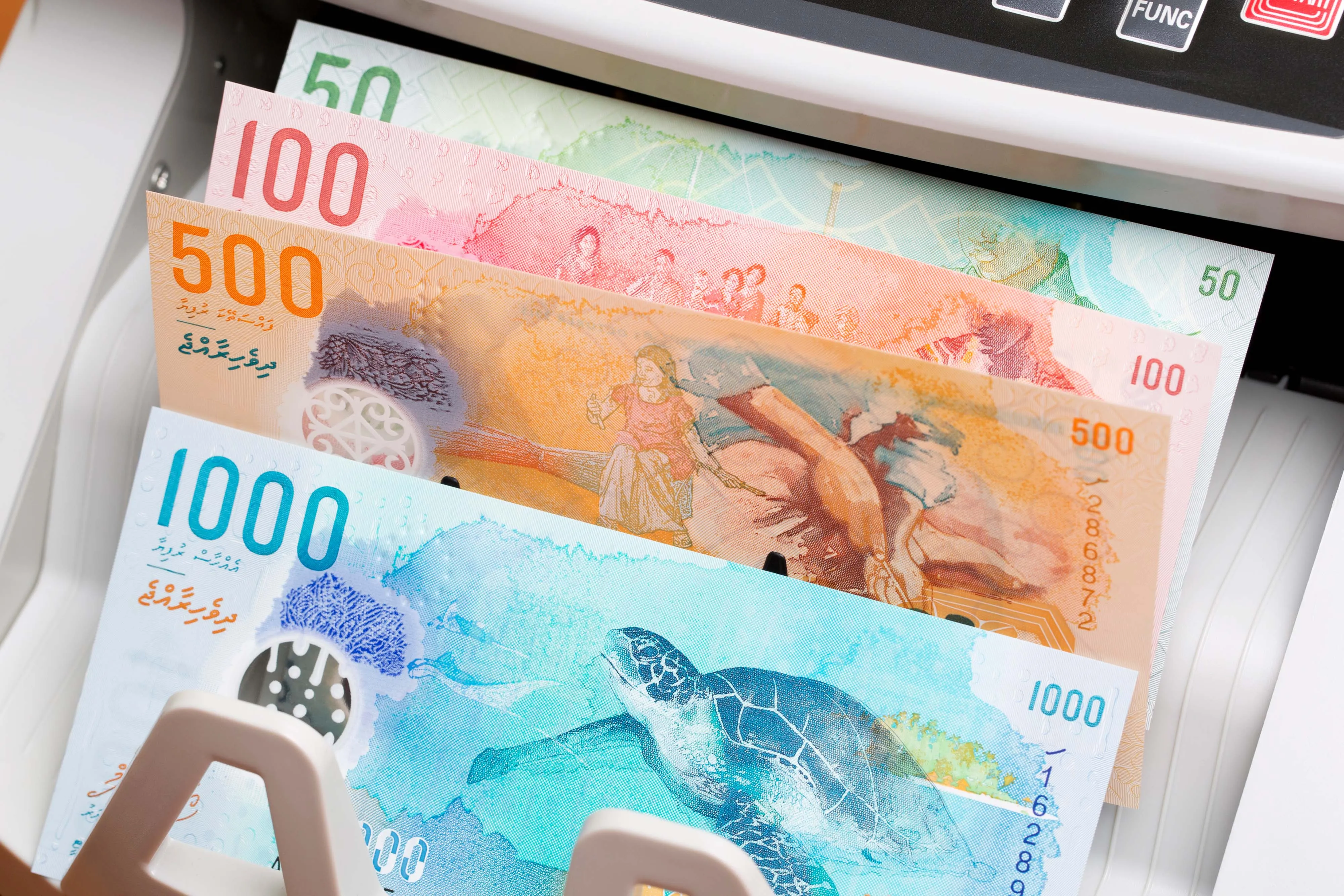
The release of new banknotes into circulation is often met with public curiosity and sometimes misunderstanding but financial authorities say the process is a routine and necessary part of safeguarding the Maldivian economy.
The Maldives Monetary Authority (MMA), as the country’s central bank, is legally mandated to maintain an adequate supply of currency in the market. This responsibility becomes particularly critical during periods of high demand, such as festive seasons or times of increased commercial activity.
Under Article 14 of the Maldives Monetary Authority Act, the MMA holds the sole authority to issue, circulate, and manage physical currency within the Maldives. In carrying out this mandate, the Authority must ensure that cash is readily available while preserving the integrity and security of the national currency.
Replacing Worn and Damaged Notes
A key reason for introducing new banknotes is the natural wear and tear of notes already in circulation. Over time, even durable polymer banknotes deteriorate. Designs fade, edges become damaged, and notes may eventually be rejected by machines such as ATMs.
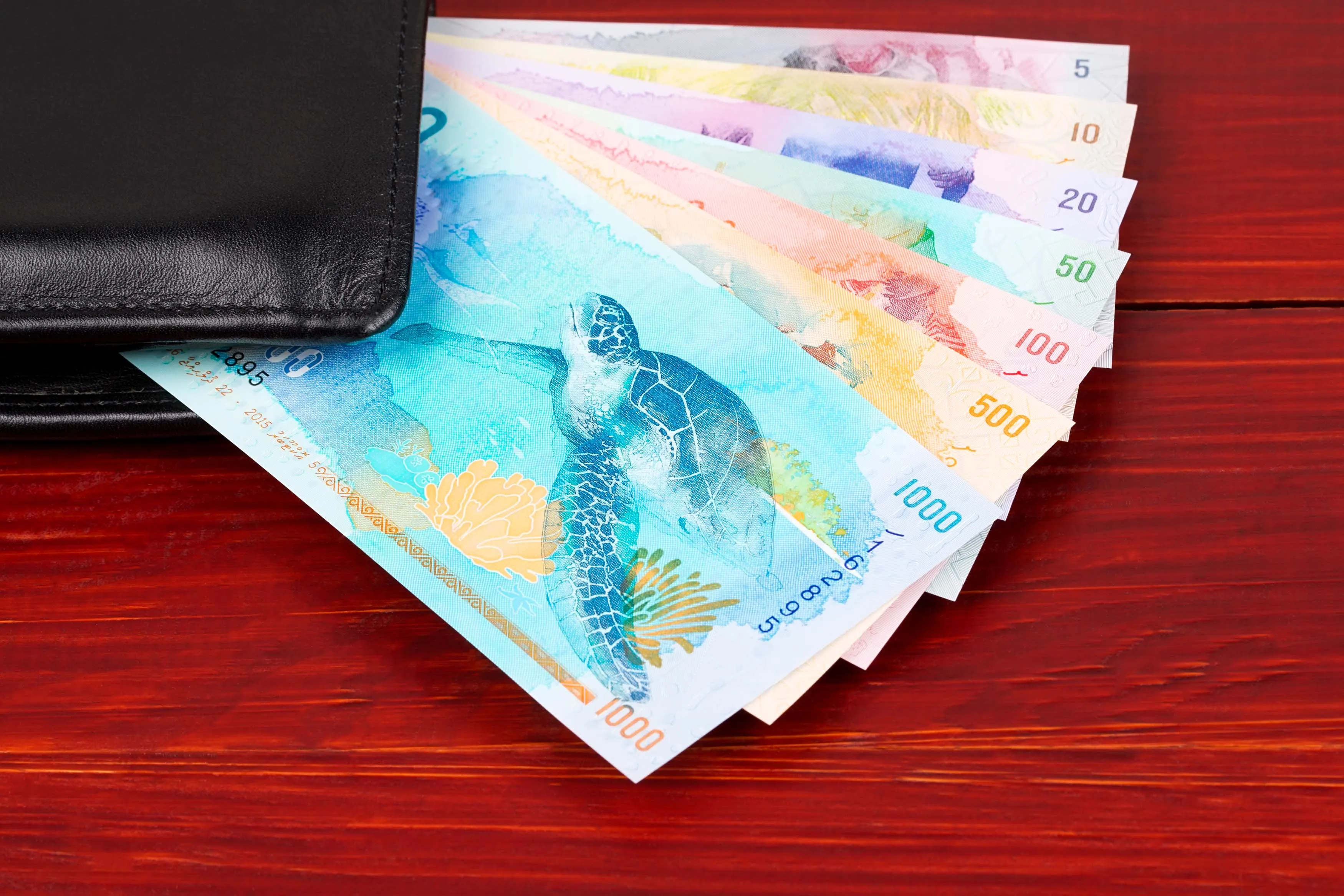
The Maldives currently uses the “Ran Dhihafaheh” polymer series, which was introduced to enhance durability and security.
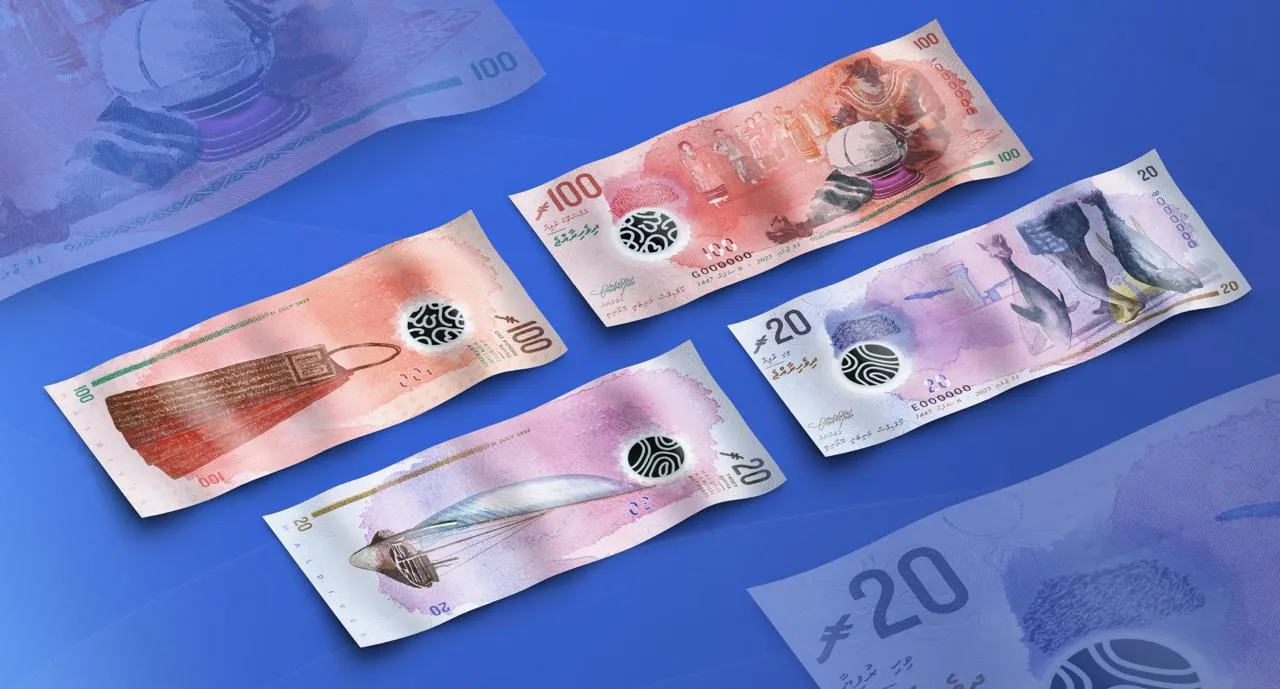
Polymer notes are more resistant to water and dirt compared to traditional paper currency. However, they too have a lifespan. According to MMA statistics, around 39 percent of 100-Rufiyaa notes become too worn or damaged each year to remain in circulation. When such “unfit” notes are withdrawn and destroyed, an equivalent value of new notes must be issued to replace them.
Financial experts emphasize that this replacement process does not increase the overall money supply. Instead, it ensures that damaged notes are swapped with fresh ones of equal value, maintaining balance within the system.
Guarding Against Counterfeiting
In an era of rapid technological advancement, updating security features on banknotes is also a crucial factor. As printing and imaging technologies evolve globally, counterfeiters continuously adapt their methods. Central banks worldwide respond by upgrading security elements to stay ahead of potential threats.
By introducing improved designs and advanced security features, the MMA strengthens public trust in the Maldivian Rufiyaa. Any decline in the quality or credibility of currency could undermine confidence and disrupt economic activity.
Meeting Market Demand
Another driving factor is seasonal or denomination-specific demand. In the Maldives, the 20-Rufiyaa note is one of the most widely used denominations after the 100-Rufiyaa note. During Ramadan, for example, small businesses often rely heavily on cash transactions, leading to temporary shortages of lower-value notes.
When such shortages occur, the MMA releases additional shipments to ensure smoother day-to-day transactions. Without sufficient smaller denominations, routine commercial exchanges could become difficult for both consumers and retailers.
A Technical, Not Political, Process
Despite persistent misconceptions, experts clarify that printing or importing new banknotes is not automatically linked to government spending or debt repayment. Rather, it is a technical and administrative function of the central bank, grounded in law and economic management principles.
In essence, the introduction of new banknotes is about maintaining currency security, replacing worn-out notes, and ensuring the market has enough cash to function efficiently. By carefully managing this process, the Maldives Monetary Authority works to preserve confidence in the Rufiyaa and support uninterrupted economic activity across the country.
Leave a comment
Comments
No comments yet. Be the first to comment!
Latest News
News
Ras Malé Project Expected to Boost State Revenue with USD 340 Million in Annual TGST
25 Oct 2026
News
Akuru Type Marketplace wins two ICT awards at Maldives Expo 2026
25 Oct 2026
News
Qatar Airways begins three daily Doha–Malé flights
25 Oct 2026
President Muizzu
SMEs to receive overseas USD payments through BML Gateway from November
25 Oct 2026