

International
India Plans to Move Toward Polymer Banknotes as Printing Costs Climb
India's Reserve Bank is preparing to introduce polymer banknotes, reviving a long-pending proposal driven by rising printing costs and sustained cash demand. The pilot, expected to be announced shortly, will likely begin with 10-rupee and 20-rupee notes.
29 May 2026, 14:47
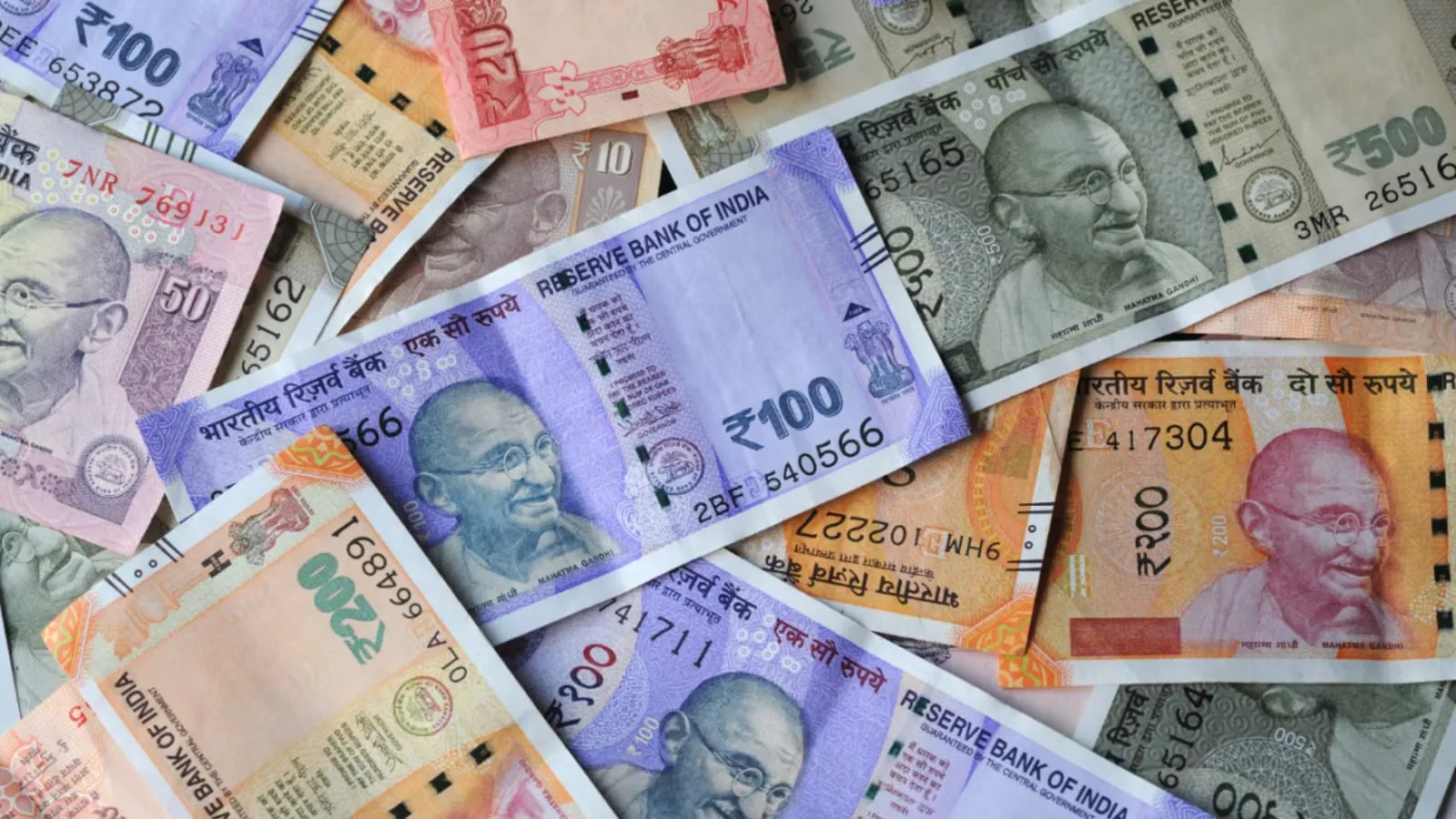
India's central bank is preparing to introduce polymer banknotes, a development that would mark the most significant change to the physical rupee since the post-demonetization redesign a decade ago.
The Reserve Bank of India has revived plans to print polymer banknotes to meet a surge in currency demand, according to multiple sources familiar with the development. The proposal was discussed at the RBI's two most recent board meetings, held in Patna and Mumbai.
A pilot project involving polymer notes for public use is expected to be announced soon. Lower denominations, including the 10-rupee and 20-rupee notes, are likely to be tested first, as these circulate more frequently and wear out faster than higher-value notes.
Why Now
The driver is economic. India's banknote printing expenditure rose sharply to 6,372.8 crore rupees in the 2024-25 financial year, up from 5,101.4 crore rupees the year before, even as digital payment platforms continued to grow rapidly.
The central bank also withdrew 23.8 billion soiled paper notes from circulation, adding further strain on the existing cotton-based note system. Officials believe a switch to polymer would substantially reduce these recurring costs.
Officials also believe the technology challenges that delayed the polymer plan in earlier years have now been resolved.
What Polymer Notes Are
Polymer notes are made from a synthetic plastic called polypropylene. Despite being plastic-based, they feel similar to conventional notes while being significantly stronger, cleaner, and longer-lasting.
Polymer notes last three to four times longer than existing notes, reducing how often the RBI must withdraw soiled currency and commission fresh printing runs.
The non-porous surface of polymer notes does not attract or retain contaminants and can be wiped clean, making them considerably more hygienic for everyday use.
Security is also a factor. Polymer notes allow the integration of advanced security features such as transparent windows, holograms, and colour-shifting inks, which are significantly harder to replicate using conventional printing equipment.
RBI officials noted there are clear advantages in the cost of production and that ATMs would be enabled to dispense polymer-based notes.
A Global Standard
India would be joining an established global trend. About 60 countries have introduced polymer banknotes so far. Australia was the first in 1988, followed by Singapore, Indonesia, Thailand, and Malaysia. Canada introduced similar notes in 2011.
The RBI's move would bring India into a growing global consensus on the superiority of polymer over cotton blends for high-circulation currency.
Cash and Digital Together
The timing of the announcement is notable. India is simultaneously a global leader in digital payments, with Unified Payments Interface transactions breaking new records each month. The RBI is also developing a digital rupee.
Yet the latest developments underline a striking reality: cash remains deeply embedded in India's everyday economy. From informal labor markets and wholesale trade to public transport and small retail shops, physical currency continues to dominate millions of daily transactions.
RBI data shows that demand for cash has remained robust even after the expansion of digital payment systems. Analysts describe this as a hybrid economy, where digital and physical currency serve different segments simultaneously.
What Comes Next
No official timeline has been announced. The development remains at the preparatory stage, with formal notification expected to precede any phased introduction.
Existing paper notes will remain completely valid legal tender. The central bank is launching a limited pilot first, so paper currency will remain in circulation for years.
The RBI has not issued a formal public statement. Business Standard, which first reported the development, cited multiple sources close to the central bank's board discussions.
Leave a comment
Comments
No comments yet. Be the first to comment!
Latest News
News
Islamic Affairs Ministry targets financial self-sustainability by 2029
17 Oct 2026
News
MWSC tests 500-metre deep seawater in subsea desalination study
17 Oct 2026
MPL
Maldives Ports records busiest quarter with inbound volume reaching 21,182 TEUs
17 Oct 2026
Tourism
Fuvahmulah named Guesthouse Tourism Champion Island at inaugural MIB Guesthouse Awards
17 Oct 2026