

Features
Floating on Borrowed Time: How Maldivian Resorts Are Exposed to the Next Oil Shock
Maldivian resorts face a structural vulnerability as global fuel price volatility directly impacts their diesel-powered transfer operations, with costs consuming up to half of transfer budgets and eroding margins. Emerging electric hydrofoiling vessels offer a viable alternative, promising lower costs, zero emissions, and competitive performance.
04 June 2026, 12:56
Every diesel-powered transfer in the Maldives carries a cost determined far beyond its shores. For resort operators, fuel pricing is not shaped in Malé but in global energy corridors such as the Strait of Hormuz, where geopolitical tensions can translate into immediate financial impact.
A typical transfer between Velana International Airport and a resort in North Malé Atoll consumes significant volumes of imported marine fuel. A standard speedboat equipped with multiple high-capacity engines can burn around 140 litres on a single journey, with fuel sourced internationally and priced in US dollars. Over the past year alone, resorts have faced fuel price increases of up to 17%, driven not by local inefficiencies but by global market disruptions.
This reflects a deeper structural vulnerability within the Maldivian tourism model. The country imports approximately 95% of its energy requirements, with an annual fuel import bill of USD 300–350 million, equivalent to roughly 11% of GDP. Within this, resort transfer operations alone account for an estimated USD 80–120 million annually.
For individual operators, the numbers are equally significant. A mid-sized resort operating two speedboats can incur fuel costs between USD 85,000 and USD 120,000 per year per vessel pair. Fuel typically represents 35–50% of total transfer operating costs, leaving little room to absorb sudden price increases.
The events of early 2025 illustrated the immediacy of this risk. Escalating tensions in the Gulf pushed Brent crude prices up by 16.7% within days, rising from USD 78 to USD 91 per barrel. As one-fifth of global oil supply passes through the Strait of Hormuz, even limited disruptions trigger rapid price adjustments across international fuel markets.
For Maldivian resorts, the effect is direct and unavoidable. Unlike larger economies, the Maldives lacks domestic energy buffers or alternative supply channels. A 15% increase in fuel costs can reduce operating margins by up to 2.3 percentage points, a material impact in an industry where EBITDA margins typically range between 18% and 24%.
This exposure is not cyclical but structural. Global energy volatility is expected to intensify due to geopolitical uncertainty, shifting energy alliances, and supply chain risks. For small island developing states such as the Maldives, fuel price instability is identified as a primary macroeconomic risk through 2030, alongside climate vulnerability and tourism concentration.
The financial implications of maintaining the status quo are substantial. Over a ten-year period, a resort can expect to spend between USD 2.1 million and USD 4.1 million on marine fuel depending on price volatility. Under high-disruption scenarios, this cost escalates significantly, creating a long-term financial drag on operations.
Beyond cost, there is an emerging reputational dimension. High-value travellers are increasingly attentive to sustainability claims. The contrast between environmentally focused branding and diesel-based transfer operations creates a credibility gap that is becoming harder to justify in a competitive luxury market.
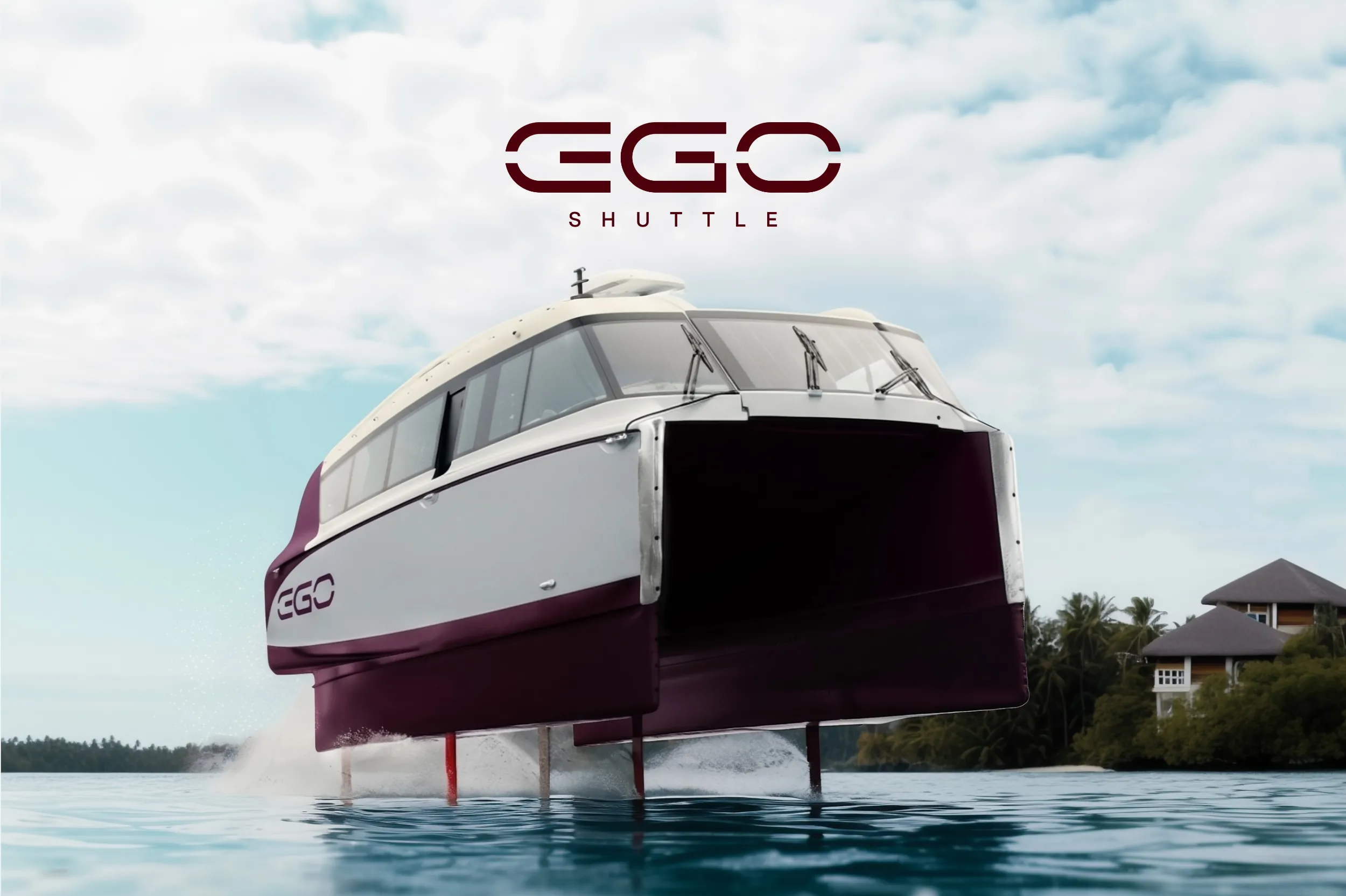
Technological developments are now changing the equation. Electric hydrofoiling vessels, already deployed in international markets, offer operational speeds comparable to conventional boats while reducing energy consumption by up to 80%. With zero direct emissions and improved passenger experience, these systems present a commercially viable alternative rather than a conceptual solution.
For Maldivian resort operators, the issue is no longer whether such a transition is possible. It is whether they choose to adopt it before external pressures—economic, competitive, or regulatory—make the decision unavoidable.
Leave a comment
Comments
No comments yet. Be the first to comment!
Latest News
News
Addu farmer grows coffee beans, eyes commercial cultivation
24 Oct 2026
News
MIFCO expands retail network with new Fuvahmulah outlet
24 Oct 2026
News
Shirak Avia to launch weekly Yerevan–Malé flights in November
24 Oct 2026
News
Gan airport revenue nearly triples to MVR 94.4mn as losses persist
24 Oct 2026