

Features
Maldives Premier Bank: From Cowrie Currency to Global Currents
Chairperson Ayesha Nurain Janah draws on a family legacy of cowrie currency, seafaring and enterprise to frame the bank’s journey into global finance.
18 August 2026, 05:26
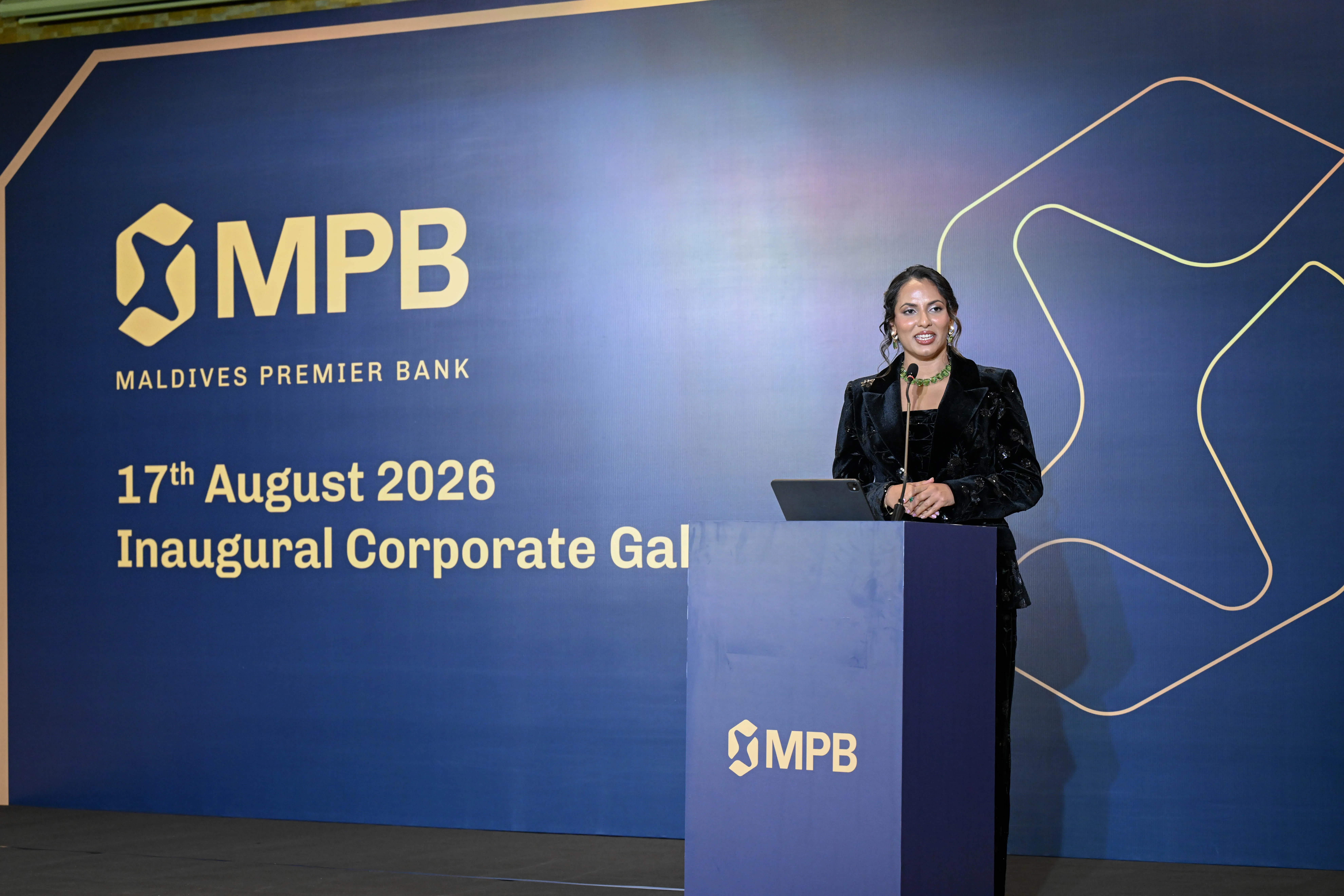
For Ayesha Nurain Janah, the launch of Maldives Premier Bank was more than the opening of a new financial institution. It was the continuation of a story that began generations ago, with cowrie shells gathered from Maldivian shores and traditional vessels built to cross the Indian Ocean.
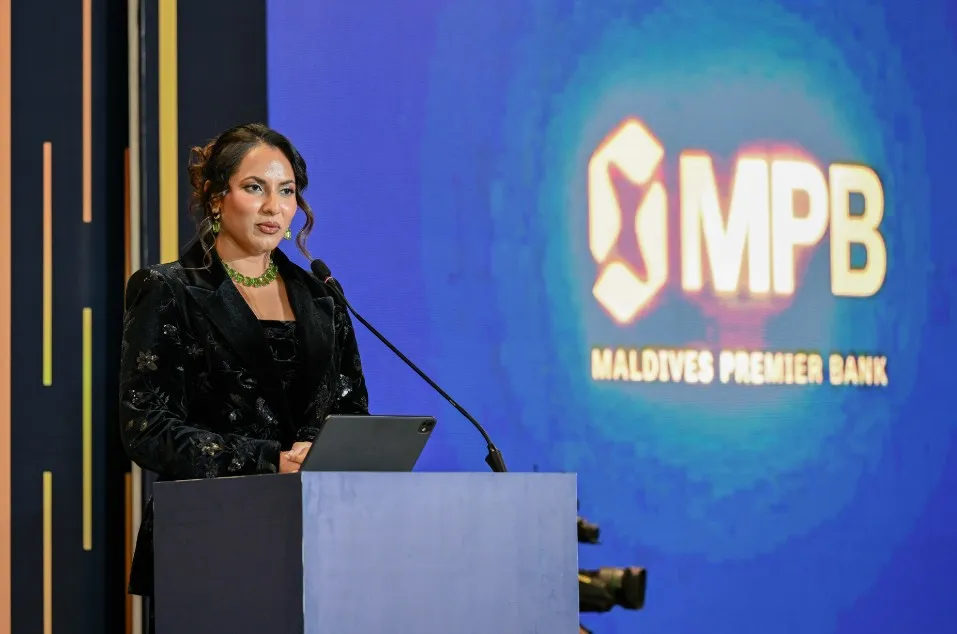
Speaking at the bank’s inaugural corporate gala on Monday night, the non-executive chairperson of Maldives Premier Bank (MPB) drew on that family history to frame the bank’s ambitions, comparing the newly launched institution to the Odi, the traditional Maldivian sailing vessel that once connected the islands to regional and global trade.
“The Odi was more than a vessel,” Nurain told an audience that included President Dr Mohamed Muizzu, Cabinet ministers, lawmakers, senior officials, diplomats and business leaders. “It represented Maldivian craftsmanship, enterprise, navigation and our ability to connect these islands to the wider world.”
It was a metaphor she returned to throughout her address: a vessel built locally, designed for difficult waters and intended to carry Maldivian enterprise beyond the country’s shores.
But before speaking about banking technology, international partners and global financial flows, Nurain went further back, to a nine-year-old girl collecting cowrie shells during a period remembered in her family as the “big famine”.
The girl was her maternal grandmother.
For every measure of cowrie shells she gathered, members of her household received dried coconut. At the time, Nurain said, her grandmother had no idea that the shells she was harvesting had become a form of currency circulating across distant markets.
“She only knew that it fed her family,” Nurain said.
On her father’s side, she traced her lineage to Hulhudhoo in Addu Atoll and to generations of carpenters and navigators who built vessels capable of crossing deep ocean waters. Those vessels carried cowrie shells, dried fish and other Maldivian products overseas.
One side of the family, she said, had harvested the currency of its time. The other had built the vessels that carried Maldivian goods across the ocean.
For Nurain, those two histories converge in Maldives Premier Bank.
“This intergenerational spirit from both sides of my family, one harvesting the currency of its time, the other building vessels, carries into today’s legacy,” she said.
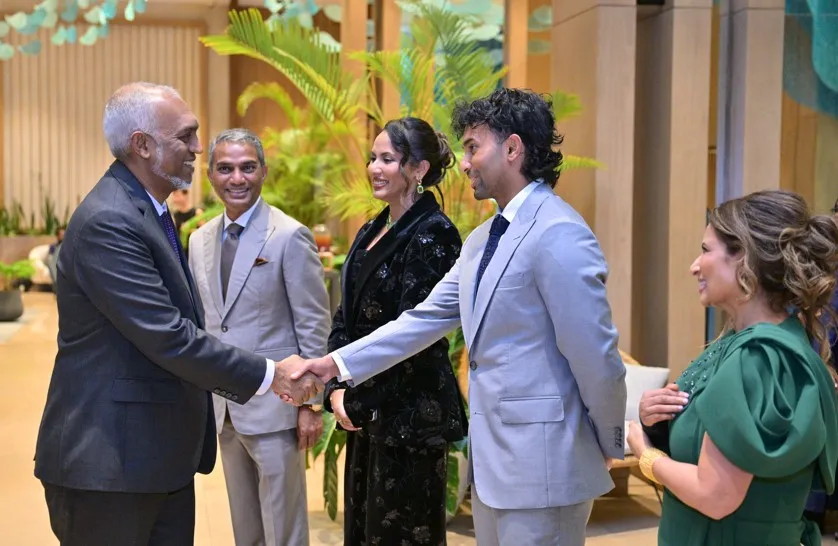
Building a bank from the ground up
MPB formally enters the market as an independent, private Tier 1 bank and, according to Nurain, the first such institution to be fully Maldivian-owned.
Its establishment followed what she described as an intense period of construction after the Maldives Monetary Authority granted initial approval in May 2025.
What followed was a 12-month effort to build the institution’s operational foundations: establishing secure digital infrastructure, integrating with central banking networks, bringing international partners and correspondent banks on board, and preparing the bank to connect Maldivian businesses with global financial flows.
“Building a Tier 1 financial institution from the ground up requires absolute precision, integrity and dedication,” Nurain said.
She acknowledged that the road to launch had not been easy, but described the completed institution as an example of what could be achieved in a small island economy with focused execution.
Following its soft opening and regulatory assessments, she said, the bank was now ready to broaden its operations and welcome customers into its systems.
The bank’s ambitions, however, extend beyond simply adding another competitor to the domestic banking market.
Nurain said MPB wanted to help channel capital into local infrastructure and businesses while providing stronger connections between the Maldivian economy and international financial markets.
A small country with a larger economic footprint
A recurring question from international partners, Nurain said, concerned the size of the Maldives.
Her response was that population alone did not capture the scale of the opportunity.
The country may have a relatively small population, she said, but it supports a tourism industry attracting millions of visitors annually and an economy receiving billions of dollars in investment.
“We are a small population, but we are mighty in our economy,” she said.
That economic reality, in her view, demands a more sophisticated and internationally connected financial system.
Nurain said MPB intends to support investment in local infrastructure and businesses while also attracting capital from investors seeking opportunities in the Maldives.
The vision is for the bank to become part of a financial architecture capable of supporting a more diversified economy, rather than one focused narrowly on the country’s traditional sectors.
But she was careful to present MPB’s arrival not as a challenge to existing institutions, but as an addition to the broader banking system.
With representatives from across the financial industry present at the gala, Nurain said the bank intended to work alongside other institutions rather than operate in isolation.
“We are not sailing alone, we sail with you,” she said.
Collaboration with regulators, banks and other financial institutions would be essential, she argued, particularly as the Maldives confronts global economic volatility and the vulnerabilities associated with being a small island economy.
The challenge is not simply to grow, but to build institutions capable of navigating changing global conditions while protecting and expanding domestic wealth.
A family legacy becomes an institution
The speech was also deeply personal.
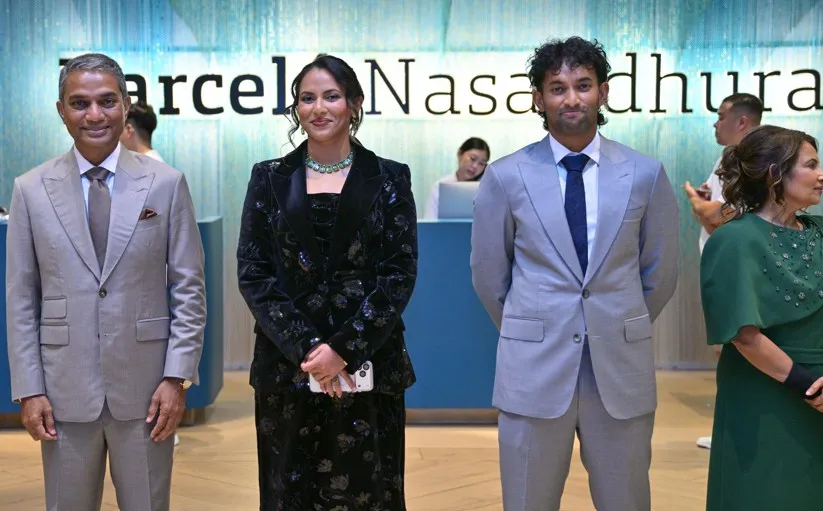
Nurain thanked her father, MPB founder and shareholder Mohamed Ali Janah, for what she described as his pioneering courage and lifetime of work in laying the foundation for the institution.
She also paid tribute to her mother, siblings, grandmother and extended family, describing the launch as a milestone shaped by both personal sacrifice and collective effort.
As the eldest of three siblings, she said the occasion carried a particular sense of responsibility: not simply to inherit what had been built, but to steward it for another generation.
That theme, inheritance carrying an obligation to build for those who come next, became the bridge between the family story and the bank’s broader mission.
The same idea underpinned her description of MPB as a vessel.
The blueprint had been drawn. The institution had been built. Its systems had been connected. Its crew was in place.
“The vessel has been engineered, we have the blueprint, we have our inheritance, we have our crew, we have the leaders and the vision,” Nurain said. “So now it is time to raise the sails.”
Her closing message broadened that metaphor beyond the bank’s shareholders, board or customers.
The ambition, she said, was for the prosperity created through stronger financial institutions to reach not only those already participating in the economy, but also people who have historically had less access to financial opportunity.
“Today we launch a vessel into our economic waters together,” she said, calling for a future in which prosperity extends beyond those gathered in the room.
For a bank presenting itself as digital-first and globally connected, its chairperson chose to introduce its future by looking several generations into the past.
In doing so, Nurain placed MPB’s launch within a much older Maldivian story, one of trade, navigation, enterprise and survival.
“This is only the beginning,” she said. “I invite you to sail with us together.”
Leave a comment
Comments
No comments yet. Be the first to comment!
Latest News
News
Islamic Affairs Ministry targets financial self-sustainability by 2029
17 Oct 2026
News
MWSC tests 500-metre deep seawater in subsea desalination study
17 Oct 2026
MPL
Maldives Ports records busiest quarter with inbound volume reaching 21,182 TEUs
17 Oct 2026
Tourism
Fuvahmulah named Guesthouse Tourism Champion Island at inaugural MIB Guesthouse Awards
17 Oct 2026