

News
The Electric Archipelago: Why the Maldives Is Ready for the Next Generation of Marine Transport
Leading that transition is Ego Shuttle, the first company to introduce electric hydrofoiling resort transfers to the Maldives.
28 June 2026, 02:38
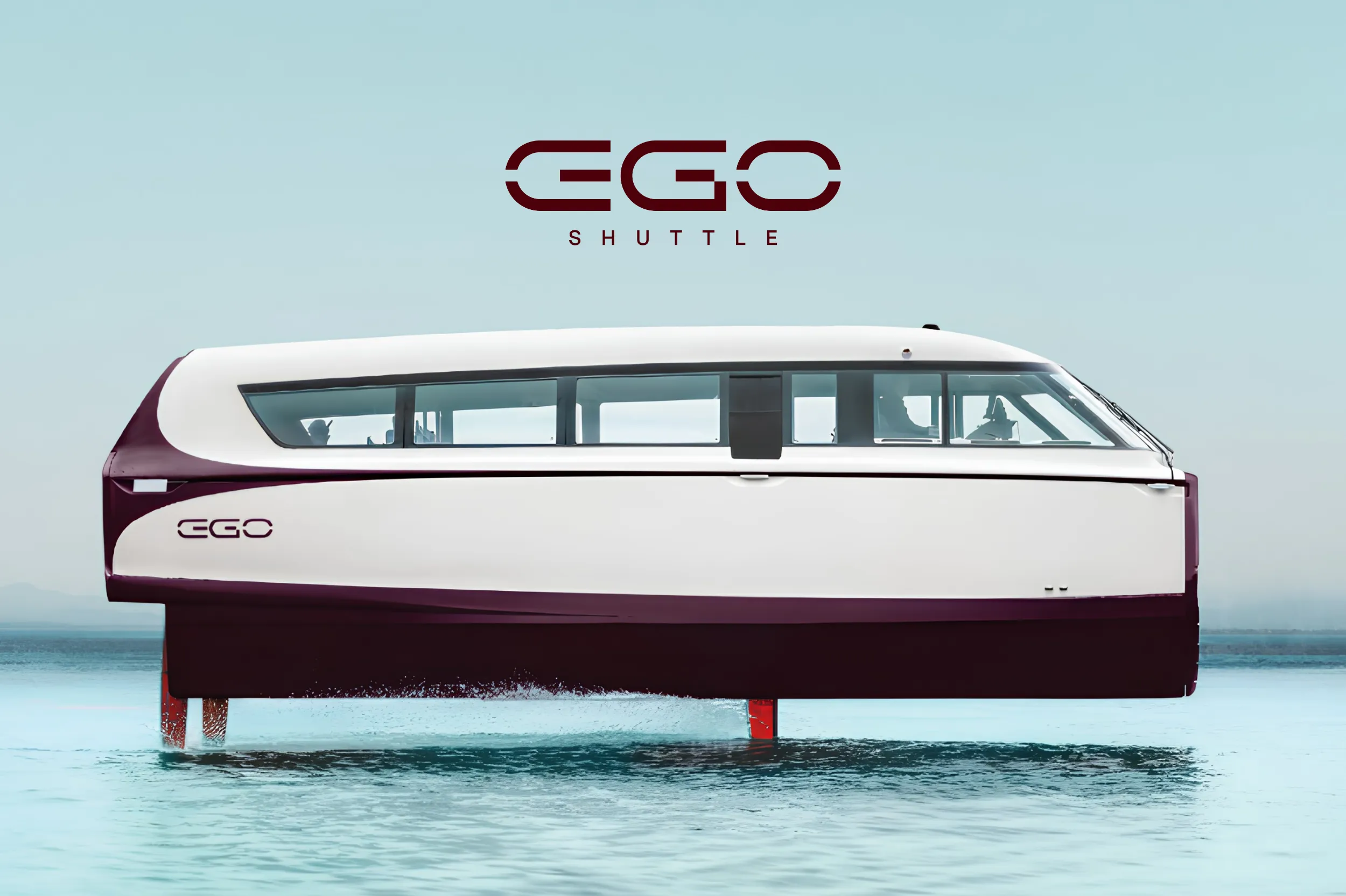
Electric marine transport is rapidly moving from innovation to industry standard. Across Europe, the Caribbean and the Pacific, operators are embracing electric vessels not only to reduce emissions but also to improve efficiency, lower operating costs and deliver a better passenger experience.
For the Maldives, where every resort journey begins and ends on the water, this shift presents an opportunity to transform one of the most important parts of a guest's holiday.
While luxury resorts invest heavily in world-class villas, fine dining and exceptional service, many visitors begin their stay with an experience that has changed very little over the years a speedboat transfer across open seas. For countless travellers, particularly during rough weather, that journey often means discomfort and seasickness before they even arrive at their destination.
As guest expectations continue to evolve, the journey itself is becoming just as important as the destination.
The most advanced example comes from Stockholm, where the Swedish capital introduced the Candela P-12 electric hydrofoil into its public transport system. The vessel consumes almost 80 percent less energy than conventional ferries while reducing emissions and delivering outstanding operational reliability.
What passengers appreciate most, however, is not simply its environmental performance.
Unlike conventional boats that repeatedly strike the waves, hydrofoiling vessels lift above the water once they reach cruising speed. The result is a remarkably smooth, quiet and stable journey with minimal vibration and wave impact. For passengers, this translates into a far more comfortable ride and, most importantly, virtually eliminates the seasickness that is commonly associated with traditional speedboat transfers.
For the Maldives, this represents a significant opportunity.
Every year, thousands of visitors travel by speedboat between Velana International Airport and resorts across the country. While these transfers are an essential part of the tourism experience, seasickness remains one of the most common complaints among arriving and departing guests. Instead of beginning their holiday relaxed and excited, many arrive feeling unwell after navigating rough seas.
Electric hydrofoiling technology changes that experience entirely.
By combining zero-emission propulsion with hydrofoil technology, these vessels travel above the surface of the water rather than through it. The smoother ride dramatically improves passenger comfort while maintaining high operating speeds and reducing energy consumption by up to 80 percent. What was once simply a transport service becomes an extension of the luxury resort experience itself.
Around the world, destinations are already recognising these advantages.
Amsterdam has successfully transitioned its ferry network to electric operation, serving tens of thousands of passengers daily while reducing operating costs through efficient charging infrastructure.
Belize, another island tourism destination, has integrated electric marine transport into its Blue Economy strategy, helping resorts strengthen their sustainability credentials while appealing to environmentally conscious travellers.
Pacific nations such as Palau are also adopting electric vessels to protect fragile marine ecosystems and reinforce their reputation as sustainable tourism destinations.
Across every example, the message is consistent. Electric marine transport is no longer only about reducing emissions. It is about delivering a better product—lower operating costs, greater efficiency, stronger sustainability credentials and a noticeably superior passenger experience.
The Maldives is uniquely positioned to benefit from this transition.
With relatively short transfer routes, a premium tourism market and increasing demand for environmentally responsible travel, the country has all the ingredients needed to become a global leader in sustainable marine mobility.
Leading that transition is Ego Shuttle, the first company to introduce electric hydrofoiling resort transfers to the Maldives.
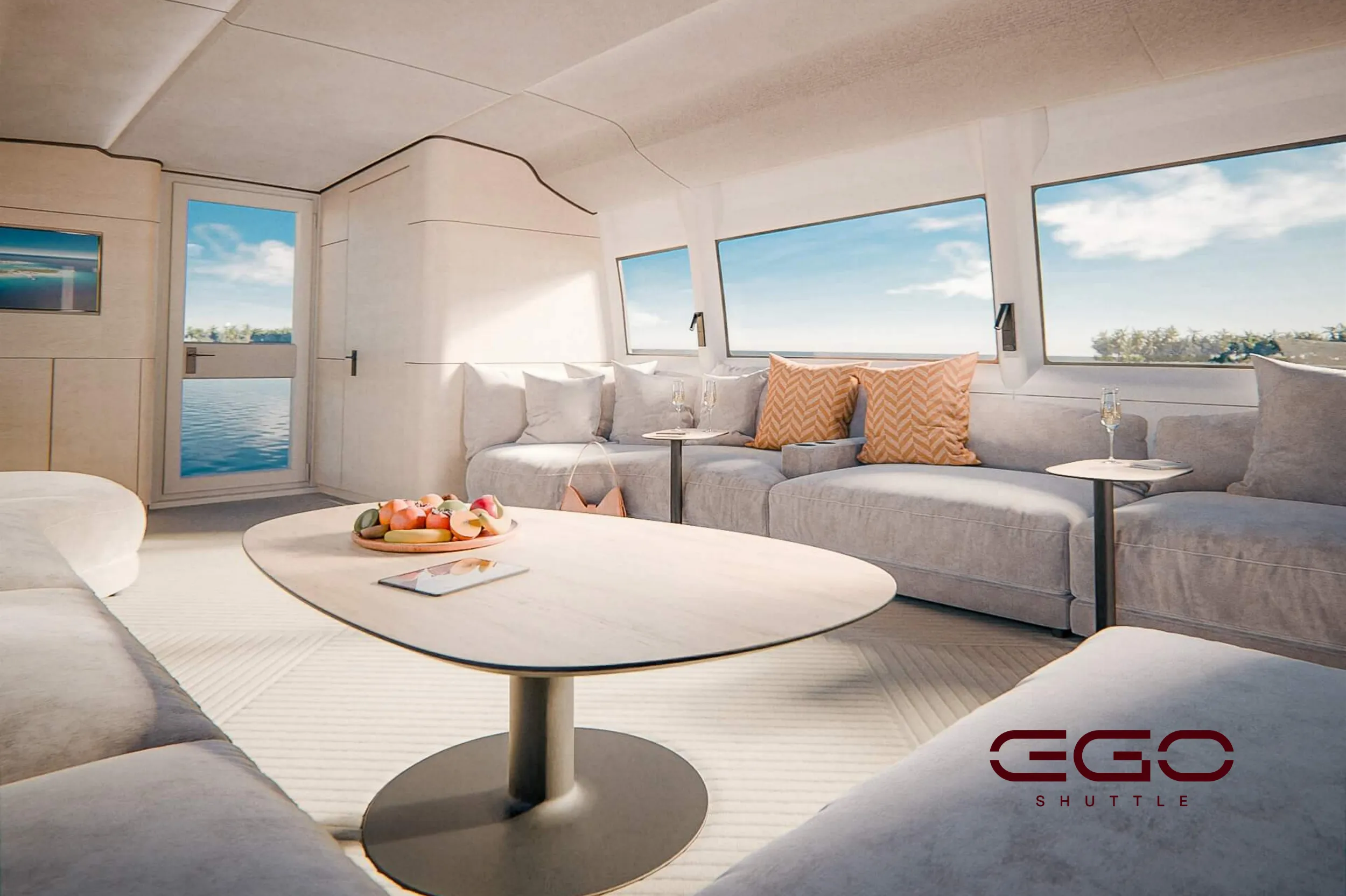
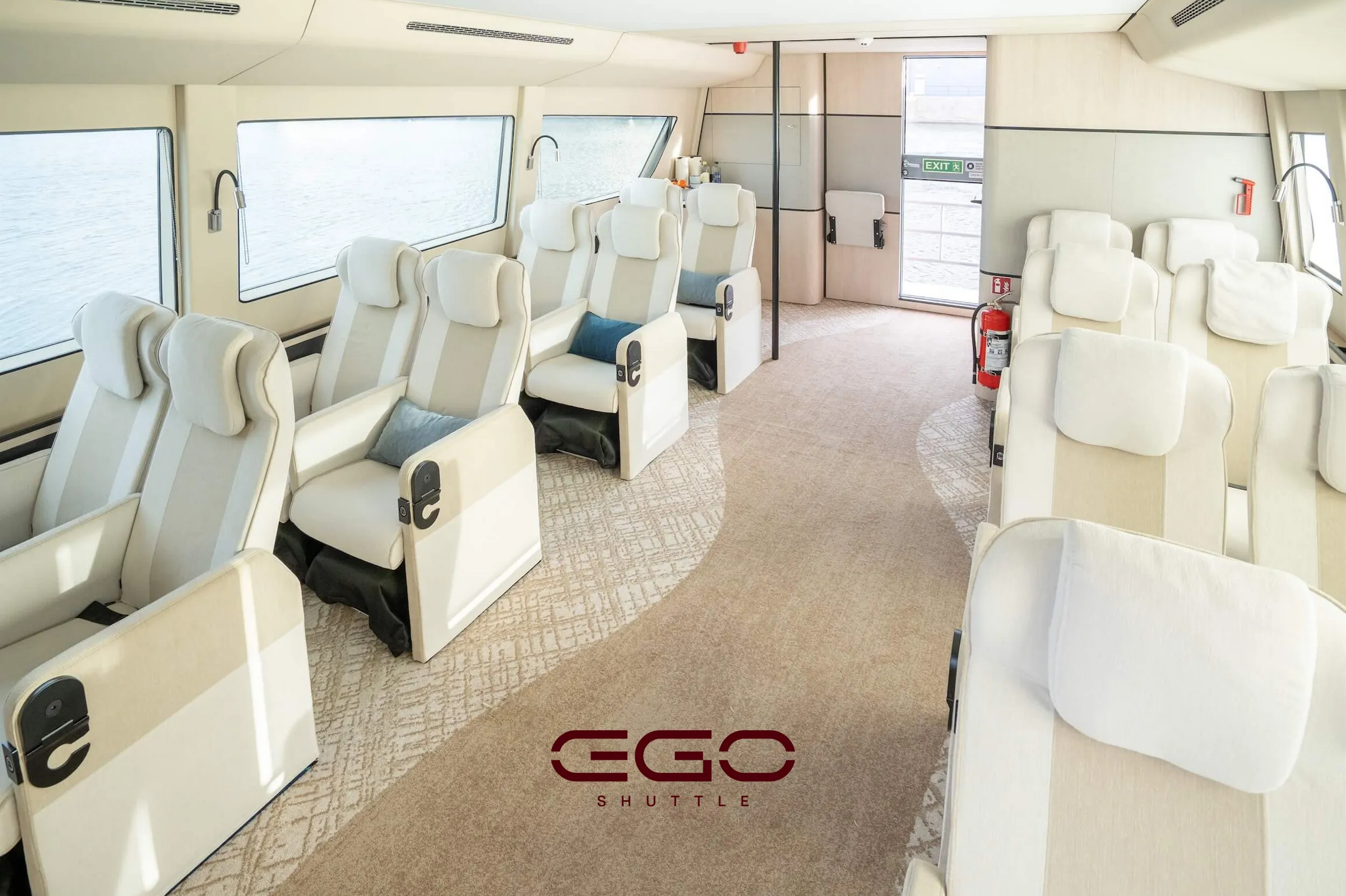
More than simply introducing a new vessel, Ego Shuttle is redefining how guests experience their first and last moments in the Maldives. Instead of noisy engines, heavy fuel consumption and uncomfortable journeys that often leave passengers seasick, travellers can enjoy a quieter, smoother and more luxurious ride that reflects the premium standards of the resorts they are visiting.
For resort operators, the benefits extend well beyond guest comfort. Lower fuel consumption provides greater cost stability, while zero-emission operations support ESG commitments and strengthen sustainability credentials that are increasingly important to international travellers and investors.
The future of marine transport has already arrived in many parts of the world. The Maldives now has an opportunity not only to adopt this proven technology but to lead the region in delivering a cleaner, smarter and significantly more enjoyable way to travel between islands.
With Ego Shuttle pioneering electric hydrofoiling technology, the journey to topical paradise can finally become as memorable as the destination itself.
Leave a comment
Comments
No comments yet. Be the first to comment!
Latest News
International
Claude maker Anthropic files for US stock market listing
26 Oct 2026
Ooredoo Maldives
HDC named Official Hosting Partner for Ooredoo Fun Run 2026
26 Oct 2026
News
MIRA introduces mechanism to offset outstanding dues against government receivables
26 Oct 2026
Bank of Maldives
BML finalises MSME international payment gateway ahead of 1 November launch
26 Oct 2026