

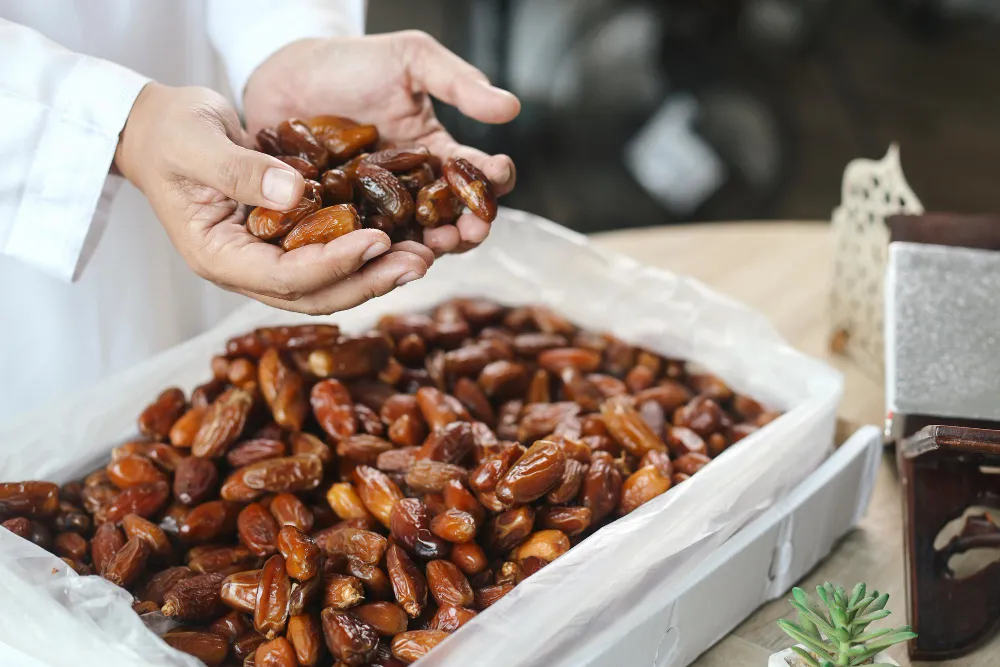
As the sun sets each evening during Ramadan, millions of Muslims around the world reach for the same first bite. Dates, a fruit rooted in prophetic tradition, have evolved into one of the most influential foods of the holy month, bridging faith, nutrition and global consumer trends.
From supermarket shelves to charity food baskets, the presence of dates intensifies each Ramadan. What was once a simple Sunnah practice has increasingly become part of a broader conversation around functional nutrition and seasonal food markets. Today, dates are widely viewed not only as a cultural staple but also as a natural superfood uniquely suited to fasting.
Nutrition experts highlight that dates provide an ideal physiological response after long hours without food. Their natural sugars offer a rapid yet gentle rise in blood glucose levels, helping the body recover energy without overwhelming digestion. Rich in fiber, potassium and antioxidants, dates also support hydration, digestive health and muscle function, making them particularly valuable at iftar.
Best Dates for Ramadan Nutrition
Not all dates are nutritionally identical, and consumer awareness around varieties has grown significantly in recent years. Soft dates such as Medjool and Ajwa are commonly preferred at iftar because they are easy to digest and deliver immediate energy. Medjool dates, often positioned as a premium product, are valued for their size and mineral content, while Ajwa remains widely consumed due to its antioxidant profile and religious significance.
Semi dry varieties such as Deglet Nour offer a slower release of sugars and are frequently used in cooking and baking. Meanwhile, Safawi, Mabroom and Khudri dates are increasingly chosen by health conscious consumers seeking higher fiber intake and moderate sweetness.
Retailers across many markets report that shoppers are paying closer attention to origin, texture and nutritional characteristics, reflecting a broader global shift toward functional foods during Ramadan.
Global Consumption Trends During Ramadan
Ramadan consistently drives one of the largest seasonal surges in date consumption worldwide. Producing nations including Saudi Arabia, Iran, Egypt and the United Arab Emirates significantly expand exports ahead of the holy month, while importing markets experience a visible increase in variety and availability.
Premiumisation has emerged as a defining trend. Consumers are increasingly willing to pay more for branded, organic or single origin dates, particularly as the fruit gains recognition as a healthier alternative to refined sugar. Online retail and gift packaging have further accelerated demand, transforming dates into both a daily staple and a premium seasonal product.
In addition to household consumption, dates play a central role in charity distribution. Ramadan food packs, corporate donations and zakat initiatives frequently include dates due to their long shelf life and high nutritional value. This dual function strengthens their position at the intersection of nutrition and social welfare.
Which Dates Are Considered the Healthiest?
While all date varieties provide essential nutrients, certain types are frequently highlighted for specific health benefits. Ajwa dates are often associated with high antioxidant levels and balanced sweetness, making them suitable for regular consumption. Medjool dates provide substantial energy and mineral content, particularly useful after prolonged fasting.
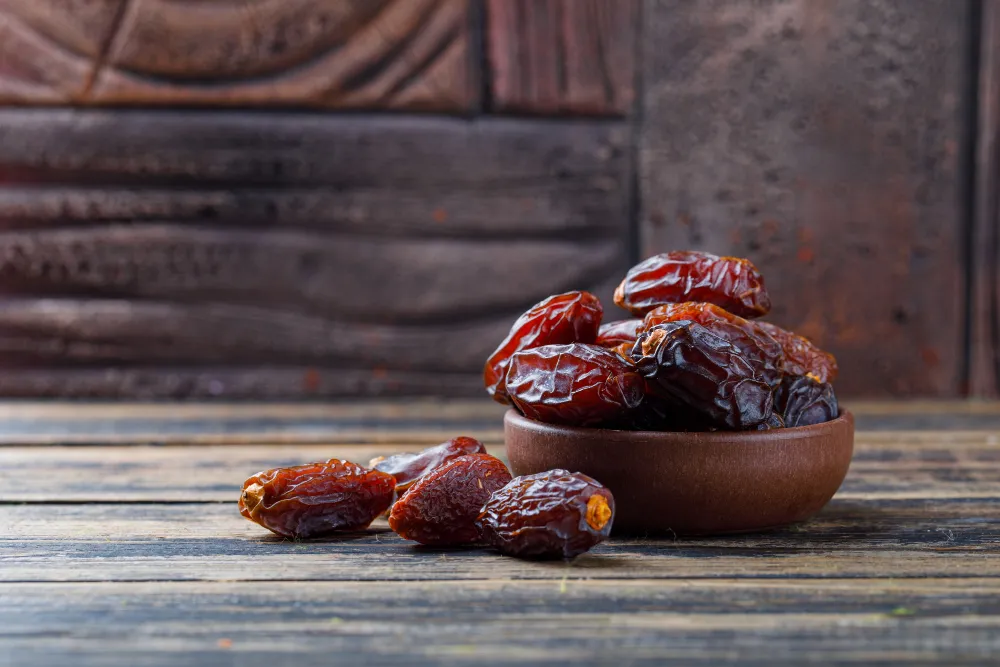
Image: Safawi Dates
Safawi and Khudri varieties are commonly recommended for those seeking fiber rich options with a slightly lower glycaemic impact compared to very soft, sugary dates. Semi dry dates such as Deglet Nour are often preferred by individuals aiming to manage sugar intake while still benefiting from natural energy.
Experts note that the healthiest choice ultimately depends on individual dietary needs, but the broader consensus remains that dates represent a natural, minimally processed alternative to conventional sweets during Ramadan.
How Many Dates Should Be Consumed Daily?
Health guidance generally suggests consuming two to three dates at iftar to restore energy gradually without excessive calorie intake. This recommendation aligns closely with prophetic practice and modern nutritional advice.
Some individuals incorporate additional dates at suhoor for sustained energy, particularly when paired with protein rich foods such as yogurt or nuts. However, nutritionists caution against overconsumption, as dates remain calorie dense and are often eaten alongside other rich Ramadan dishes.
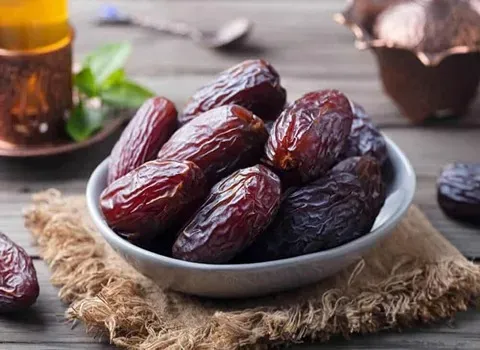
Image: Majdool Dates
Balanced intake allows the fruit to deliver its benefits while supporting overall dietary moderation, an increasingly important focus as awareness around Ramadan health grows.
A Fruit Shaping Modern Ramadan Food Culture
The enduring prominence of dates illustrates how traditional foods can influence contemporary consumption patterns. As Ramadan continues to shape global food behaviour, dates have emerged as a rare example of a product that simultaneously carries spiritual meaning, nutritional relevance and economic significance.
From premium retail offerings to large scale charity distribution, the fruit’s journey reflects shifting consumer priorities toward foods that combine authenticity with health benefits. This transformation has elevated dates beyond their traditional role, positioning them as a defining feature of the modern Ramadan food landscape.
Whether chosen for faith, nutrition or convenience, dates remain one of the few foods capable of connecting centuries old practice with evolving global food trends, reinforcing their place at the centre of Ramadan’s daily ritual.
Leave a comment
Comments
No comments yet. Be the first to comment!
Latest News
News
Ras Malé Project Expected to Boost State Revenue with USD 340 Million in Annual TGST
25 Oct 2026
News
Akuru Type Marketplace wins two ICT awards at Maldives Expo 2026
25 Oct 2026
News
Qatar Airways begins three daily Doha–Malé flights
25 Oct 2026
President Muizzu
SMEs to receive overseas USD payments through BML Gateway from November
25 Oct 2026