

Features
From a Modest Runway to a Nation Builder: 60 Years of Velana International Airport
Today, the airport is far more than infrastructure. It is the gateway to the Maldivian economy and a cornerstone of national development.
Mohamed Hilmy
12 April 2026, 09:15
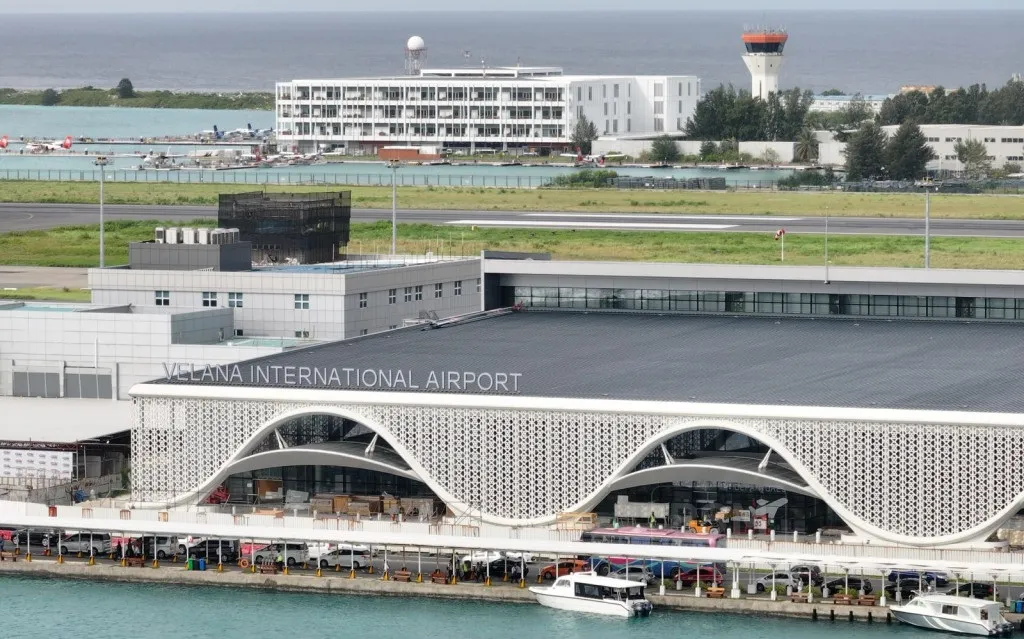
In the last century, one of the measures taken by Britain to strengthen its influence in the Maldives was the construction of a runway in Hulhulé. Built using slotted steel planks known as Marston Matting, the runway was designed to accommodate British aircraft and operational needs. Although it was constructed following a verbal agreement between the Maldivian government and the British, Maldivian leaders soon recognised that the project offered little direct benefit to the nation.
Determined to assert national interest and ownership, Maldivians began taking both discreet and public steps to reclaim the airport. At one point, the government requested the British to transport a Maldivian delegation to Sri Lanka. However, at the last moment, the British declined.
The Prime Minister at the time, Ibrahim Nasir, responded with decisive leadership. Refusing to accept the setback, he immediately chartered an aircraft from Air Ceylon and ensured that the delegation reached Colombo. This moment reflected determination, confidence, and a clear vision for national self-reliance.
Nasir went on to demonstrate through action that Maldivians could build and manage their own airport. As the country moved towards full independence, he became the driving force behind the construction of a national airport under Maldivian control. His leadership laid a strong foundation for the independence that Maldivians celebrate today.
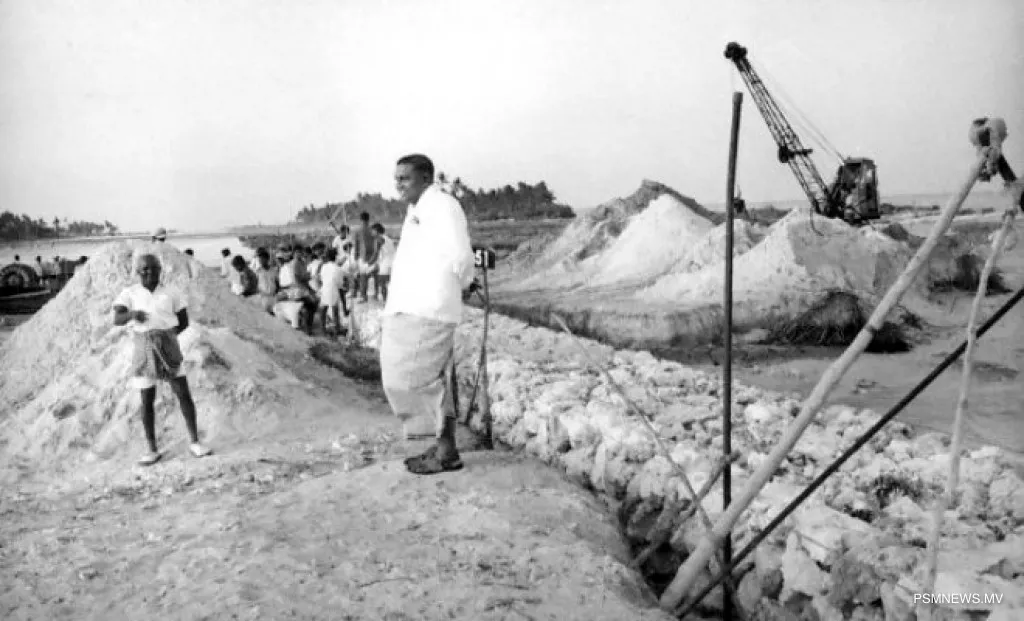
To encourage and inspire the workforce, Nasir personally visited Hulhulé almost every day, motivating the teams engaged in the demanding work. Within just two years, through the dedication and hard work of the Maldivian people, the airport was completed. It stood as a powerful symbol of national pride, capability, and sovereignty.
On April 12, 1966, Nasir officially inaugurated the airport. In a historic and symbolic moment, he became the first to disembark onto its runway from an Air Ceylon aircraft, marking a proud achievement for the Maldivian people.
Today marks the 60th anniversary of that milestone.
“Celebrating 60 years of excellence, growth, and innovation, this milestone represents six decades of dedication, trust, and shared success. It is not only a reflection of past achievements, but also a commitment to building a stronger and more impactful future together.” Said Maldives Airports Company Limited (MACL).
Today, the airport is far more than infrastructure. It is the gateway to the Maldivian economy and a cornerstone of national development.
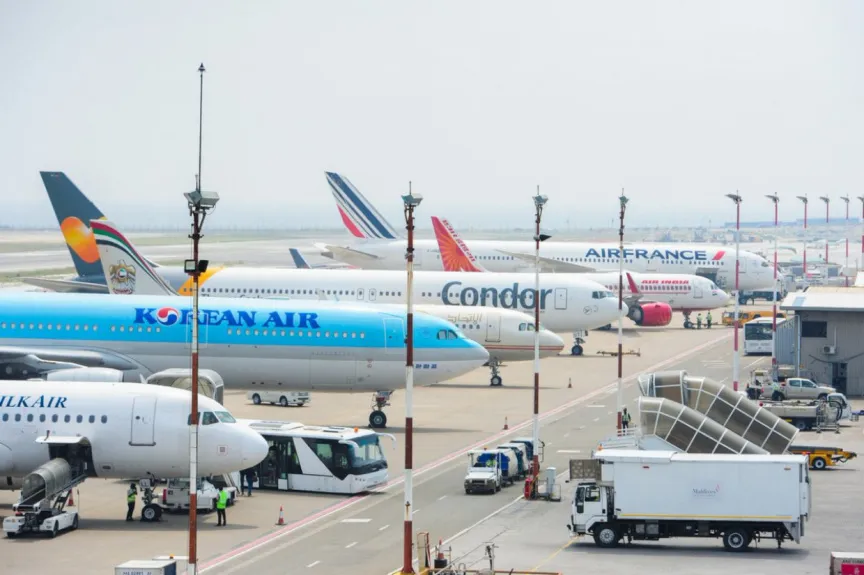
Since the launch of tourism in 1972, the Maldives has undergone a remarkable transformation. The aviation sector, led by Velana International Airport (VIA), has played a central role in this journey, serving as the primary link between the Maldives and the rest of the world.
Over the years, the airport has evolved significantly. Key developments include a modern seaplane terminal, upgraded VIP facilities, and a state-of-the-art passenger terminal designed to enhance efficiency and passenger experience. Today, VIA hosts the largest seaplane operation in the world, connects to more than 35 international destinations, and serves over 30 international airlines.
The opening of Terminal 1 on July 26, 2025, marked a major milestone in this growth. The new facility, spanning 78,000 square metres and developed at a cost of USD 457 million, has expanded the airport’s capacity to 7 million passengers annually. With 40 boarding gates, 38 immigration counters, and 12 aerobridges, the terminal significantly enhances service standards for international travellers.
In a landmark announcement, President Dr. Mohamed Muizzu unveiled a bold vision to transform VIA into a regional transit hub, marking an exciting new chapter in the Maldives’ aviation journey. The project was officially inaugurated during a special ceremony in January 2024.
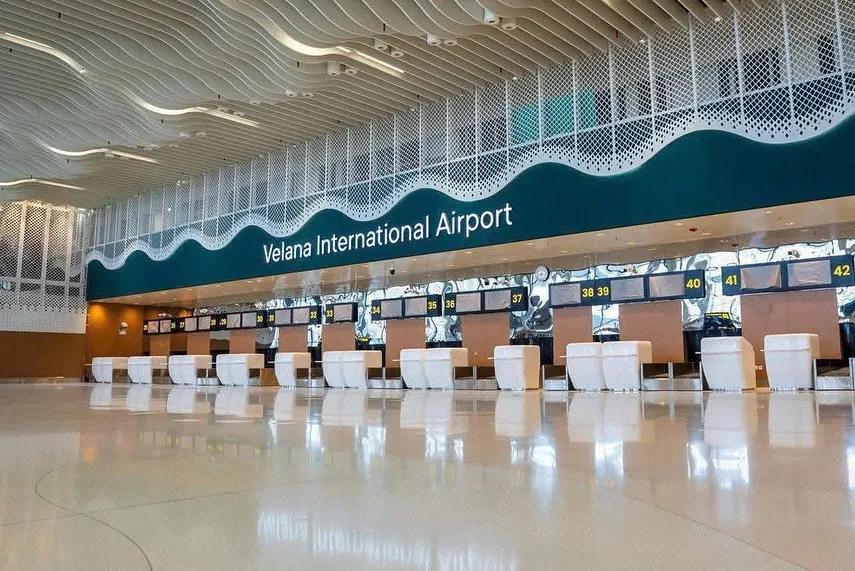
Over the next two decades, the vision aims to increase capacity to 25 million passengers, positioning the Maldives as a key hub in the region.
Future developments include a new domestic terminal capable of handling 2,000 passengers per hour, a significant increase from the current capacity of 300. A dedicated terminal for low-cost carriers with a capacity of 1,000 passengers per hour is also planned. In addition, a new seaplane terminal on the nearby island of Furaanafushi will create expanded opportunities for operators.
From its origins as a modest runway to its position today as a symbol of independence and progress, Velana International Airport stands as one of the Maldives’ most important national assets.
It is not just an airport. It is the lifeline of a nation, the engine of its tourism industry, and a vital gateway connecting the Maldives to the world.
Sixty years on, its story continues with confidence and ambition, reflecting a nation that is forward-looking, resilient, and ready for the future.
Leave a comment
Comments
No comments yet. Be the first to comment!
Latest News
Opinion
Moody’s upgrade highlights the role of foreign exchange reforms and debt management
10 Oct 2026
Ooredoo Maldives
Ooredoo Maldives Continues ‘Grow with Ooredoo’ Initiative with Tree Planting in Dhiffushi
08 Oct 2026
News
BML’s new lending reaches MVR 12.1 billion, surpassing full-year 2025 total
08 Oct 2026
News
BML supplies USD 722 million to customers, nearly matching last year’s total
08 Oct 2026