

News
Giraavaru Falhu Reclamation Hits 15% as MACL Deploys Two Dredgers
26 February 2026, 10:43
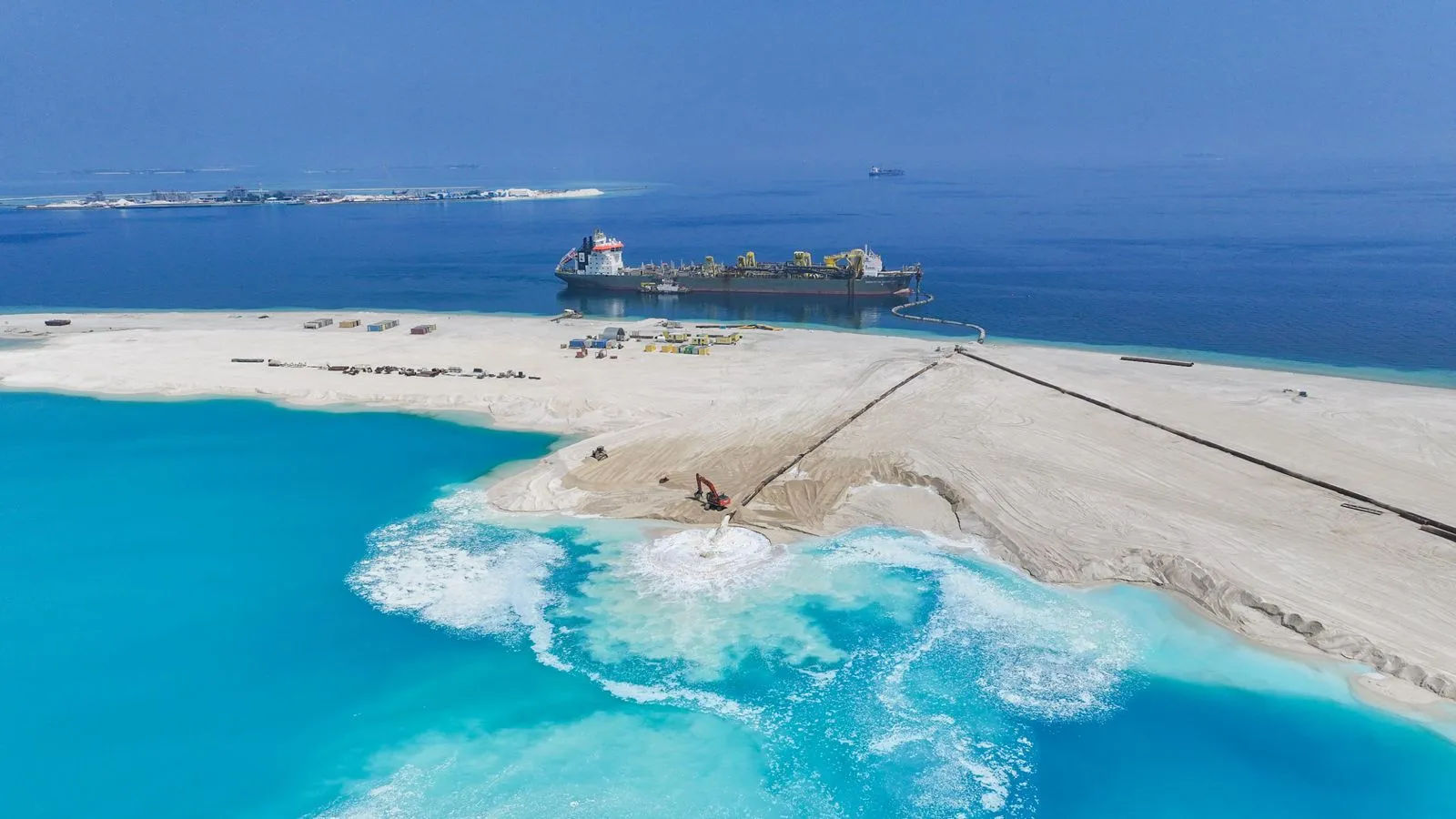
Land reclamation works at Giraavaru Falhu are progressing steadily, with 15 hectares completed so far out of a planned 97.15 hectares, according to an update issued by Maldives Airports Company Limited (MACL).
MACL said the completed area represents an overall progress rate of 15.44% since works commenced on 30 January 2026. The project remains in its early stages, with the pace of dredging expected to determine how quickly the remaining land formation can be delivered.
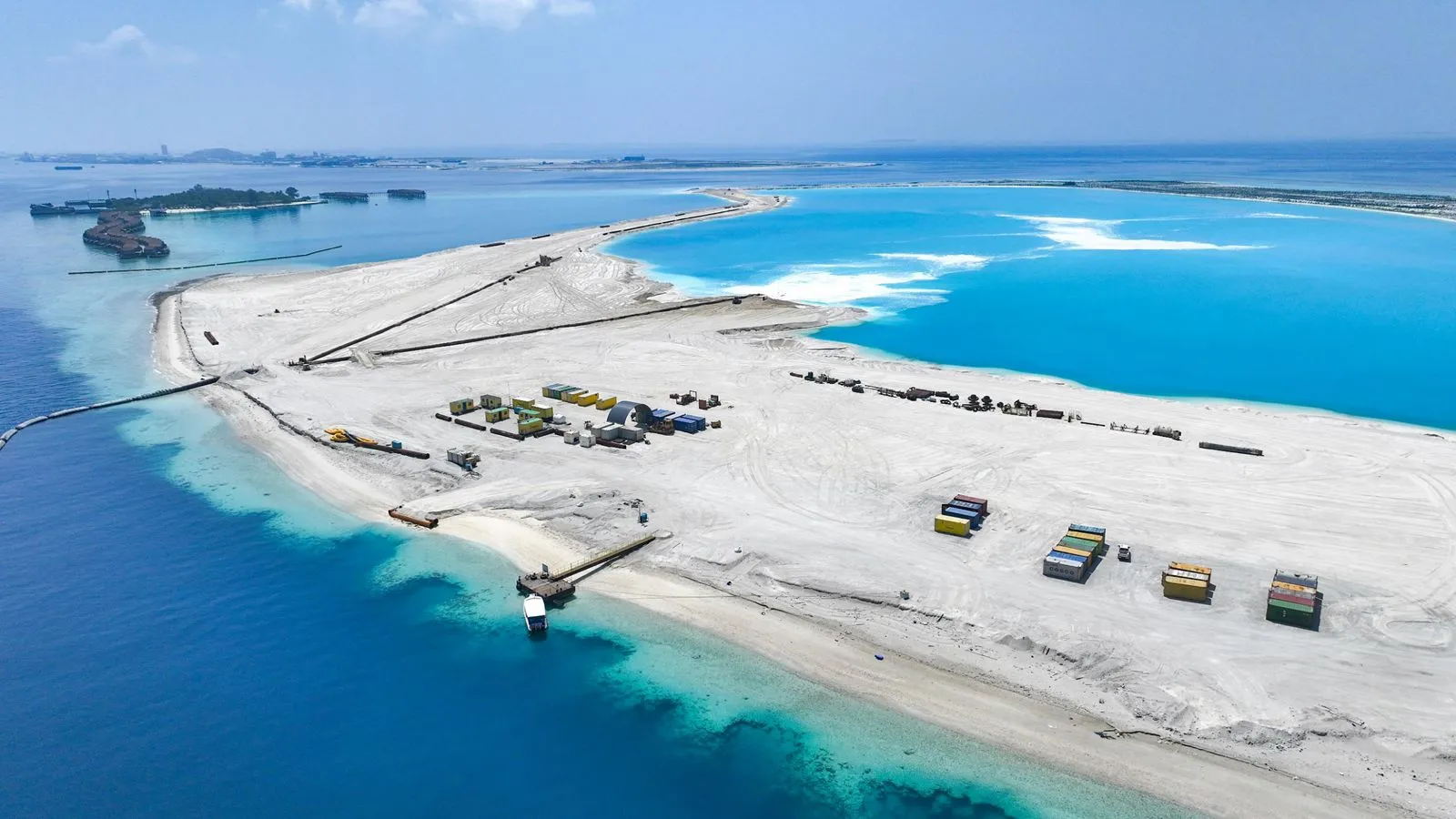
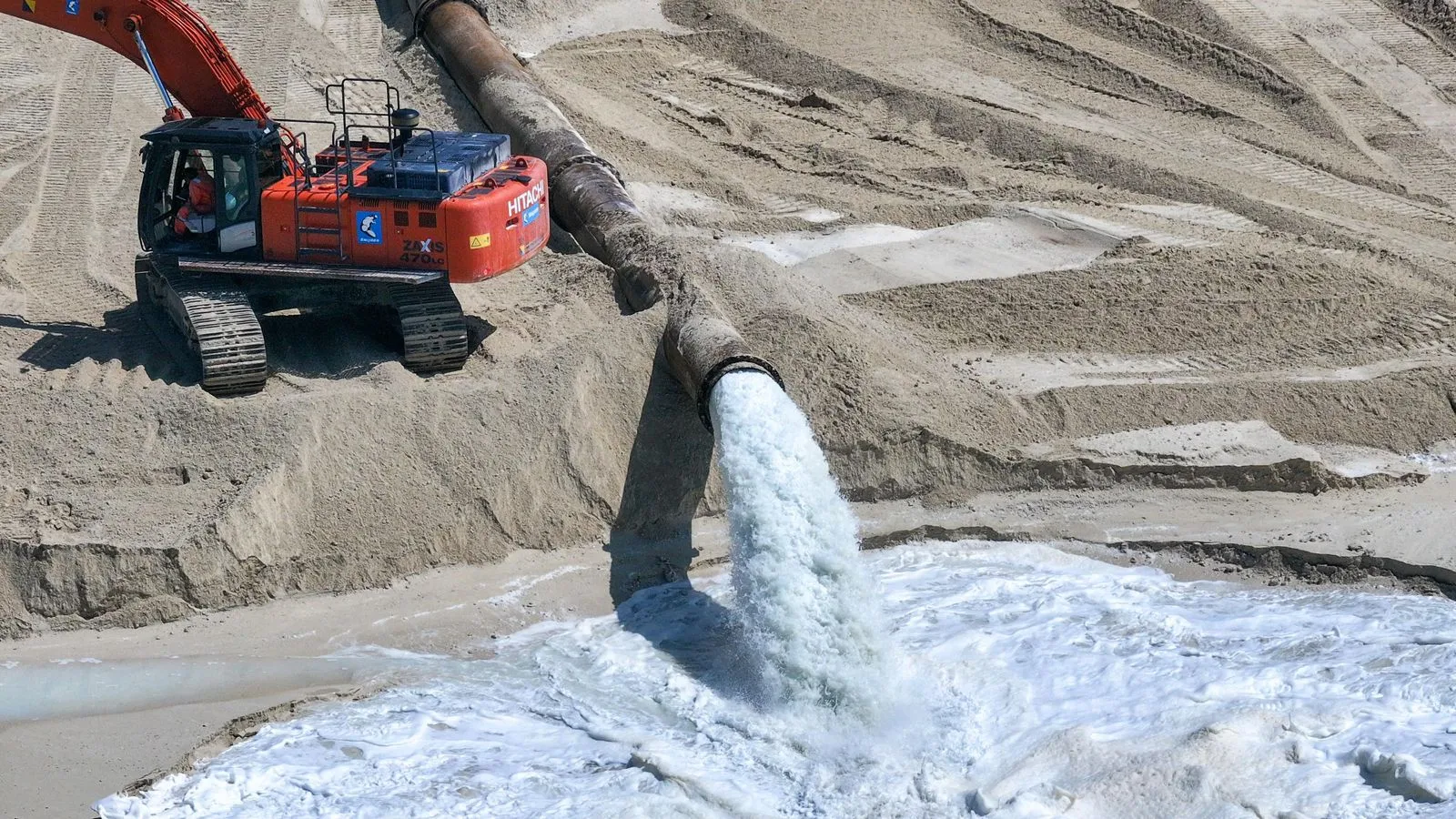
Dredging operations are being carried out using two trailing suction hopper dredgers. MACL identified the vessels as Queen of the Netherlands, with a hopper capacity of 35,500 cubic metres, and Orange, with a hopper capacity of 22,000 cubic metres. The use of high capacity hopper dredgers is typically associated with large scale reclamation, where material is dredged, transported, and deposited to build up the new land area.
While MACL did not provide a completion timeline in the latest update, the scale of the planned reclamation indicates a multi stage process, including dredging, consolidation and site stabilisation before any downstream development can proceed. The project’s progress milestone offers an early signal of momentum, particularly as reclamation schedules often depend on weather windows, marine conditions and equipment availability.
Giraavaru Falhu is among the reclamation projects being advanced in the Greater Malé region, where demand for new land continues to be shaped by infrastructure needs, urban growth pressures and long term economic planning. Large reclamation works also carry wide stakeholder interest given their cost implications, contractor activity and potential linkages to future public infrastructure.
For the Maldives economy, progress at Giraavaru Falhu matters because land creation projects of this scale tend to feed into construction pipelines, logistics demand and capital spending over multiple years, with knock on effects for contractors, suppliers and employment as the work advances beyond dredging into site preparation and development phases.
Leave a comment
Comments
No comments yet. Be the first to comment!
Latest News
News
Ras Malé Project Expected to Boost State Revenue with USD 340 Million in Annual TGST
25 Oct 2026
News
Akuru Type Marketplace wins two ICT awards at Maldives Expo 2026
25 Oct 2026
News
Qatar Airways begins three daily Doha–Malé flights
25 Oct 2026
President Muizzu
SMEs to receive overseas USD payments through BML Gateway from November
25 Oct 2026